 By Walker
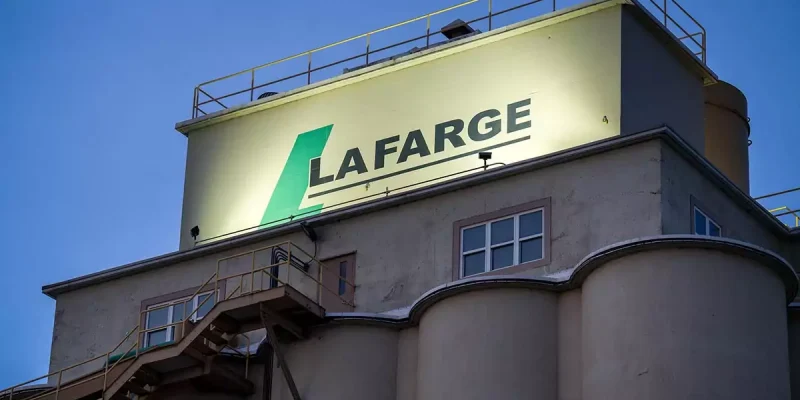
In a landmark ruling for corporate accountability, a French court has found the cement multinational Lafarge and its former top executives guilty of financing terrorist organizations, including the Islamic State (ISIS), to maintain operations at a plant in war-torn Syria.
On Monday, April 13, 2026, the Paris Criminal Court handed down a historic sentence, marking the first time a French corporation has been convicted of such charges. The court revealed a systematic scheme where Lafarge paid nearly €5.6 million to armed groups and intermediaries between 2013 and 2014. These payments were intended to ensure the continued functioning of its Jalabiya cement plant and the safety of its transport routes as the Syrian civil war intensified.
Key Verdict Details
The court’s decision targeted both the corporate entity and the individuals at the helm during the conflict:
-
Lafarge SA: Ordered to pay a fine of €1.125 million, the maximum penalty allowed under French law for these charges.
-
Bruno Lafont (Former CEO): Sentenced to six years in prison and fined approximately €262,000.
-
Christian Herrault (Former Deputy COO): Received a five-year prison sentence for his role in supervising Syrian operations.
-
Other Convictions: Six additional individuals, including local security managers and intermediaries, received varying sentences and fines.
“This method of financing terrorist organizations was essential in enabling ISIS to seize control of Syria’s natural resources, allowing it to finance acts both within the region and abroad,” stated lead Judge Isabelle Prévost-Desprez during the sentencing.
The Global Context: From Uganda to Switzerland
Lafarge, which merged with the Swiss firm Holcim in 2015 to form what is now known as the Holcim Group, has long been a dominant force in the global construction industry and is the parent company for Hima Cement in Uganda.
While Hima Cement was a 100% subsidiary of Lafarge for decades, the parent company’s legal troubles in Syria have coincided with a shift in its African portfolio. In recent years, Holcim has moved to divest several of its African assets to refocus on core European and North American markets.
A Precedent for Human Rights
The trial also highlighted the harrowing experiences of over 190 former Syrian employees who joined the case as civil parties. They testified about being forced to work under the constant threat of kidnappings and sniper fire while their employers paid off the very groups endangering them.
While this verdict concludes the terrorism financing chapter, Lafarge remains under investigation for a more severe charge: complicity in crimes against humanity. If proven, this would signify that the company’s financial support directly fueled the atrocities committed by ISIS during the height of the caliphate.