 By Walker
Uganda has secured approval to export farmed fish to the European Union (EU), a milestone expected to boost the country’s aquaculture sector and unlock new revenue streams for fish producers and exporters. This was revealed by Mr Joseph Bwanika, Commissioner for Aquaculture and Fisheries Regulations at the Ministry of Agriculture.
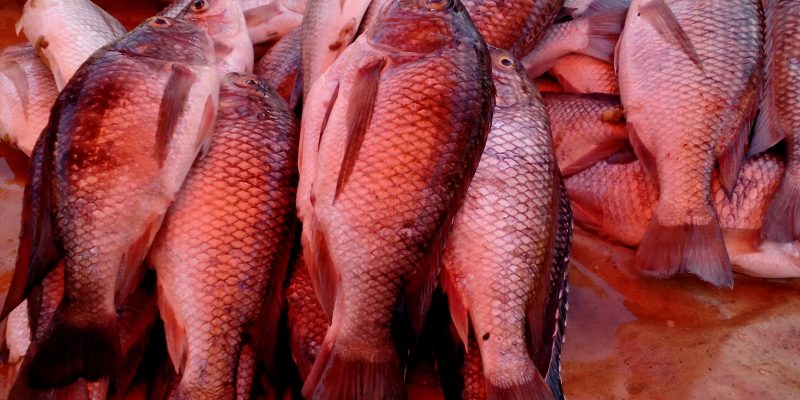
Under the new clearance, Uganda can export up to 4,000 metric tonnes of farmed fish annually to EU markets, including high-demand finfish such as tilapia and other aquaculture products.
The move is seen as a major breakthrough for the aquaculture industry, which has grown rapidly in recent years and now offers a sustainable alternative to capture fishing — a subsector facing pressure from overfishing, pollution and climate change.
Boosting Exports and Investment
Officials say EU market access could significantly increase export revenues and attract investment in fish farming, processing facilities and cold-chain logistics — areas critical to meeting stringent European food safety and quality standards.
Mr Joseph Bwanika, said the approval gives Ugandan fish farmers entry into a premium market, incentivising better production practices and value-addition across the sector.
Government agencies are currently registering producers to assess total production capacity and prepare for the first EU shipments later this year, although exact dates are yet to be finalised.
Economic Impact and Sector Growth
The EU is one of the most lucrative markets for quality fish products, and Uganda’s inclusion signals compliance with international standards. Economists estimate the expanded export platform could trigger a 40–60 percent growth in aquaculture export revenues.
The fisheries and aquaculture sector contributes around 2.6 percent to Uganda’s GDP and 12 percent to agricultural GDP, according to the National Agricultural Research Organisation. The number of active fish farmers has risen sharply from about 20,000 producers and 500 hatcheries nationwide, with total production climbing from roughly 15,000 metric tonnes in 2010 to about 120,000 metric tonnes by 2023.
While the expanded export opportunity marks a watershed moment, challenges remain. Productivity levels are still relatively low at three to five tonnes per hectare per year, and the sector depends heavily on imported feed, suffers significant post-harvest losses and faces limited access to finance.
Nevertheless, the EU market access approval is expected to energise investment across the aquaculture value chain, create jobs and strengthen Uganda’s position in regional and international fish markets.